
Sermons from 2026
Exodus 8:20-9:12 – The Lord of the Flies
Do you want God to change your circumstances while resisting what he asks of you? In Exodus 8:20–9:12, the plagues of flies, dying livestock, and boils reveal God’s care for his people and the danger of Pharaoh’s stubborn heart. Discover why obedience to God means surrendering without compromise and taking his warnings seriously. God does not promise a trouble-free life, but those who belong to Jesus have lasting security in his love. This message challenges us to stop bargaining with…
Exodus 7:8–8:19 – The God Who Exposes Our Gods
What are you trusting to give you security, satisfaction, or control? In Exodus 7:8–8:19, God confronts Pharaoh and exposes the weakness of Egypt’s gods through the first three plagues. This sermon on idolatry challenges us to recognize how even good things, including money, family, and comfort, can take God’s rightful place in our lives. Discover why recognizing God’s power is different from submitting to him, and how Jesus offers the freedom our idols never can. But even good things make…
Exodus 5:1-6:13 – When Obedience Makes Life Harder
What happens when you obey God and life gets worse instead of better? In Exodus 5:1–6:13, Moses follows God’s instructions, only to see Pharaoh make the Israelites’ suffering even greater. As Moses wrestles with confusion and discouragement, God responds by reminding him of His identity, His covenant, and His promises. This sermon explores how to bring honest questions to God and trust His character when His plan doesn’t make sense. Ultimately, it points to Jesus, whose promise of redemption gives…
Exodus 4:18-31 – Taking God Seriously
Do we take all of God’s commands seriously, or do we pick and choose which ones to obey? In Exodus 4:18–31, Moses finally begins his journey to Egypt, only to encounter a shocking confrontation with God that reveals the danger of selective obedience. Yet this passage also reveals God’s extraordinary compassion and faithfulness, reminding us that we have reason to worship even when our circumstances haven’t improved. Discover why wholehearted obedience matters, how God’s discipline can be an expression of…
Exodus 3:16 – 4:17 – No More Excuses
What do you do when God calls you to something you feel unqualified to do? In Exodus 3:16–4:17, God gives Moses clear instructions and powerful signs, yet Moses continues making excuses for why he cannot obey. Through Moses’ doubts and fears, we discover that God’s purposes depend on His power, not our abilities. This sermon challenges us to stop allowing past failures, fear, and feelings of inadequacy to keep us from trusting and obeying God. Ultimately, we see how Jesus,…
Exodus 3:1-15 – The Great I AM
What can you trust when everything around you feels uncertain? In Exodus 3:1–15, God meets Moses at the burning bush and reveals himself as holy, compassionate, present, and eternally unchanging. When Moses doubts his ability to accomplish God’s calling, God reminds him that success depends not on Moses’ strength but on God’s presence. Discover why the Great I AM is worthy of our complete trust and how Jesus makes it possible for sinful people to draw near to a holy…
Exodus 2:11-25 – When Our Strength Is Not Enough
Moses had the right intentions, impressive qualifications, and a desire to help God’s people—but his attempt to deliver Israel in his own strength ended in failure. Forced to flee to Midian, Moses entered a long season of waiting that God would use to prepare him for what was ahead. Exodus 2 reminds us that waiting does not mean wasting and that our responsibility is to faithfully do what God has called us to do while trusting Him with the outcome.…
Exodus 2:1-10 – When God Seems Quiet
In Exodus 2:1–10, God seems strangely absent as Moses’ family faces an impossible situation—but behind the scenes, God is quietly at work. Through a faithful mother, a watchful sister, Pharaoh’s own daughter, and a series of seemingly ordinary circumstances, God preserves and prepares the man who will one day deliver Israel. The story reminds us that reaching the end of our control does not mean we have reached the end of God’s providence. Even when we cannot see what God…
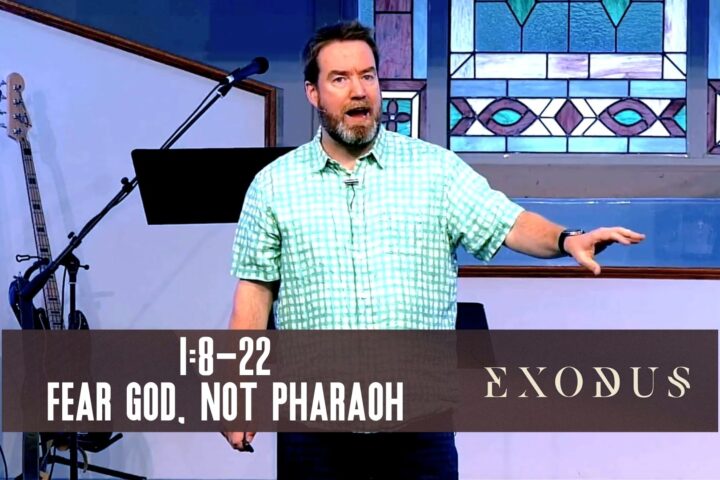
Exodus 1:8-22 – Fear God, Not Pharaoh
Fear can drive us to grasp for control, compromise our convictions, and make destructive choices. In Exodus 1:8–22, Pharaoh’s fear leads him from oppression to murder, while two seemingly powerless midwives show remarkable courage because they fear God more than the king. Their example reminds us that courage is not the absence of fear but choosing obedience to God even when it costs us something. Ultimately, Pharaoh’s failed schemes point forward to Jesus, whose cross appeared to be evil’s victory…
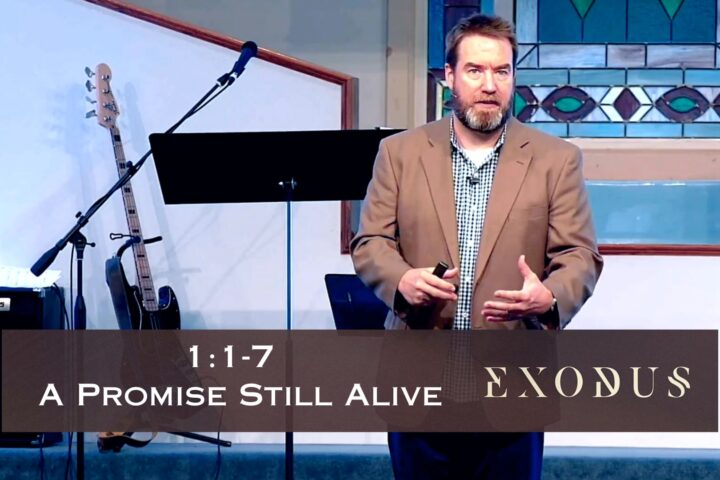
Exodus 1:1-7 – A Promise Still Alive
Generations come and go, circumstances change, and even the most important people eventually pass away, but God’s promises remain. In Exodus 1:1–7, Israel moves from one generation to the next while God quietly fulfills His covenant promises through seemingly ordinary circumstances. This sermon challenges us to interpret our circumstances through God’s promises rather than judging God’s faithfulness by what we can see right now. It also reminds us that we are not responsible for controlling the future, but for faithfully…
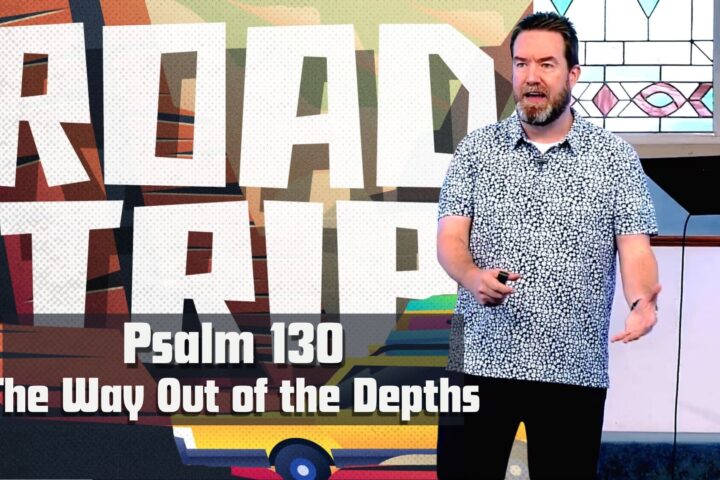
Psalm 130 – The Way Out of the Depths
Psalm 130 speaks to those moments when sin, guilt, and discouragement leave us feeling trapped in the depths. Rather than trying to rescue ourselves, the psalm calls us to cry out to God, trust his forgiveness, wait on his Word, and place our hope in him. Through Jesus Christ, God offers forgiveness that is greater than our guilt and redemption that is abundant enough for all our sin. This sermon reminds us that the way out of the depths is…
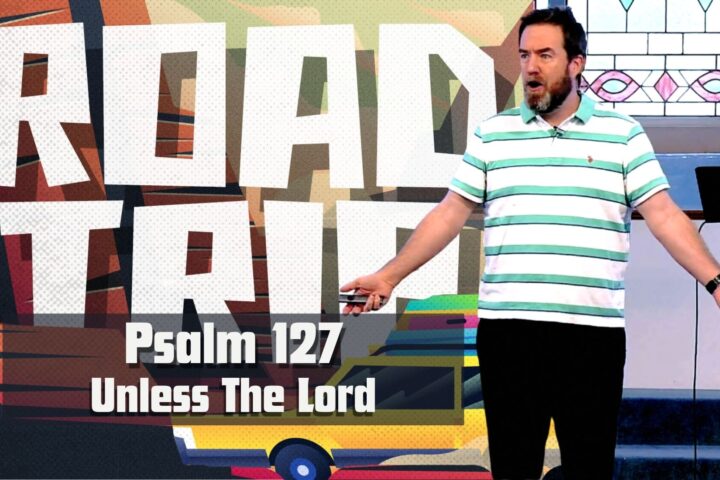
Psalm 127 – Unless The Lord
Psalm 127 reminds us that everything we build ultimately depends upon God’s blessing. Whether we are building a career, raising a family, serving in ministry, or pursuing any other goal, we should work faithfully without believing the results ultimately depend on us. Because God remains faithful even when we stop working, we can rest instead of being consumed by anxiety. And when God places blessings in our lives, we should recognize them as gifts to be received gratefully rather than…